
Protecting Your Cryotherapy Practice

Written by Declan Punch - Trainee Underwriter - Casualty
Protecting Your Cryotherapy Practice – So You Can Focus on Care
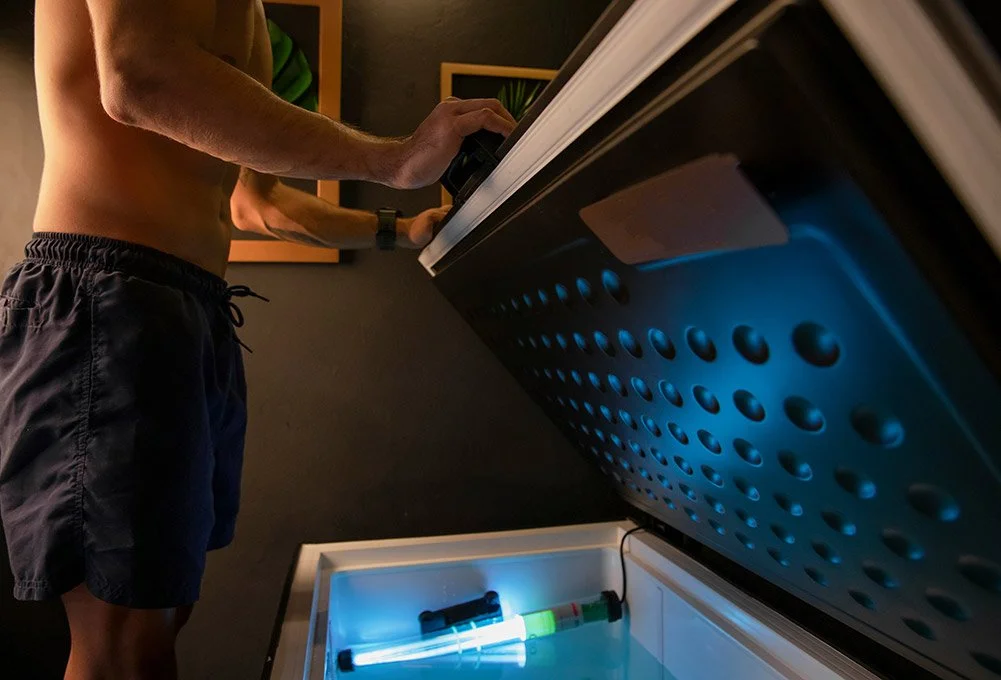
Cryotherapy is rapidly gaining popularity across medical, allied health and wellness sectors. As a therapeutic treatment utilising freezing or near-freezing temperatures, it offers a wide range of physical and mental health benefits — but it also presents unique risk exposures that require specialist protection.
What is Cryotherapy?
Cryotherapy is used in several clinical and therapeutic settings, including:
Treatment of superficial health issues such as skin conditions and wart removal
Destruction of abnormal tissue, including certain cancer cells
Reduction of inflammation (particularly post-exercise recovery)
Support in the treatment of mental health conditions
By reducing external and internal body temperature — typically in 2–3 minute exposures — cryotherapy slows receptor signals that trigger pain and inflammation. It can also reduce cortisol levels (stress hormones), positively influencing mental health outcomes.
The Brain & Body Response
The body’s adaptation to cold exposure can produce measurable neurological and physiological benefits:
Activation of cold-shock proteins – Linked to neuroplasticity, assisting recovery pathways and potentially providing protective benefits against degenerative diseases such as Alzheimer’s.
Increased oxygen and nutrient flow – Following vasoconstriction and dilation, oxygen-rich blood circulates through the body, improving recovery times and alertness.
Pre-frontal cortex development – Exposure to controlled stress environments can assist with improved stress management and resilience.
However, cryotherapy and associated cold-exposure therapies are not suitable for everyone. Patients with cardiovascular or other adverse health conditions should seek professional medical advice prior to treatment.
The Risk Consideration
With increasing clinical application comes heightened responsibility. Potential exposures may include:
Treatment errors or incorrect patient screening
Equipment malfunction or temperature control failures
Failure to identify contraindications
Allegations relating to treatment outcomes or patient harm
These risks require tailored insurance protection designed specifically for medical and allied health practices incorporating cryotherapy services.
Our Objective is Simple
To remove uncertainty and protect your practice — so you can focus on delivering exceptional healthcare outcomes.
GET IN TOUCH
End-to-End Insurance Solutions for Medical Practices,
Aged Care and NDIS
Focused on Service. Designed for Protection.
p. 1300 902 210